Introduction
In the world of digital communication, security and privacy are paramount. Meta's Messenger has long been at the forefront of offering end-to-end encryption (E2EE) for messaging, but ensuring that encrypted message history remains accessible across devices without compromising security is a complex challenge. With the launch of Labyrinth in 2023, Meta introduced a protocol that allowed encrypted backups to travel with users across devices while remaining unreadable by anyone—including Meta itself. Now, with Labyrinth version 1.1, the company is taking a significant step forward by enhancing the reliability of these backups, ensuring that messages are preserved even when devices are lost, switched, or after long periods of inactivity.
The Evolution of Encrypted Backups
End-to-end encrypted messaging protects the content of conversations from being intercepted or read by third parties. However, a common pain point for users is the loss of message history when switching phones or reinstalling apps. Traditional backup solutions often required storing data on cloud servers in plaintext, exposing it to potential breaches. Meta's solution, Labyrinth, was designed to encrypt message history so that only the user—and their conversation partners—could decrypt it. The initial version worked by having the user's device periodically upload encrypted data to the server. But this method had a limitation: if a device went offline for an extended period, messages sent during that time might not be saved until the device reconnected. Labyrinth 1.1 addresses this gap.
How Labyrinth 1.1 Improves Reliability
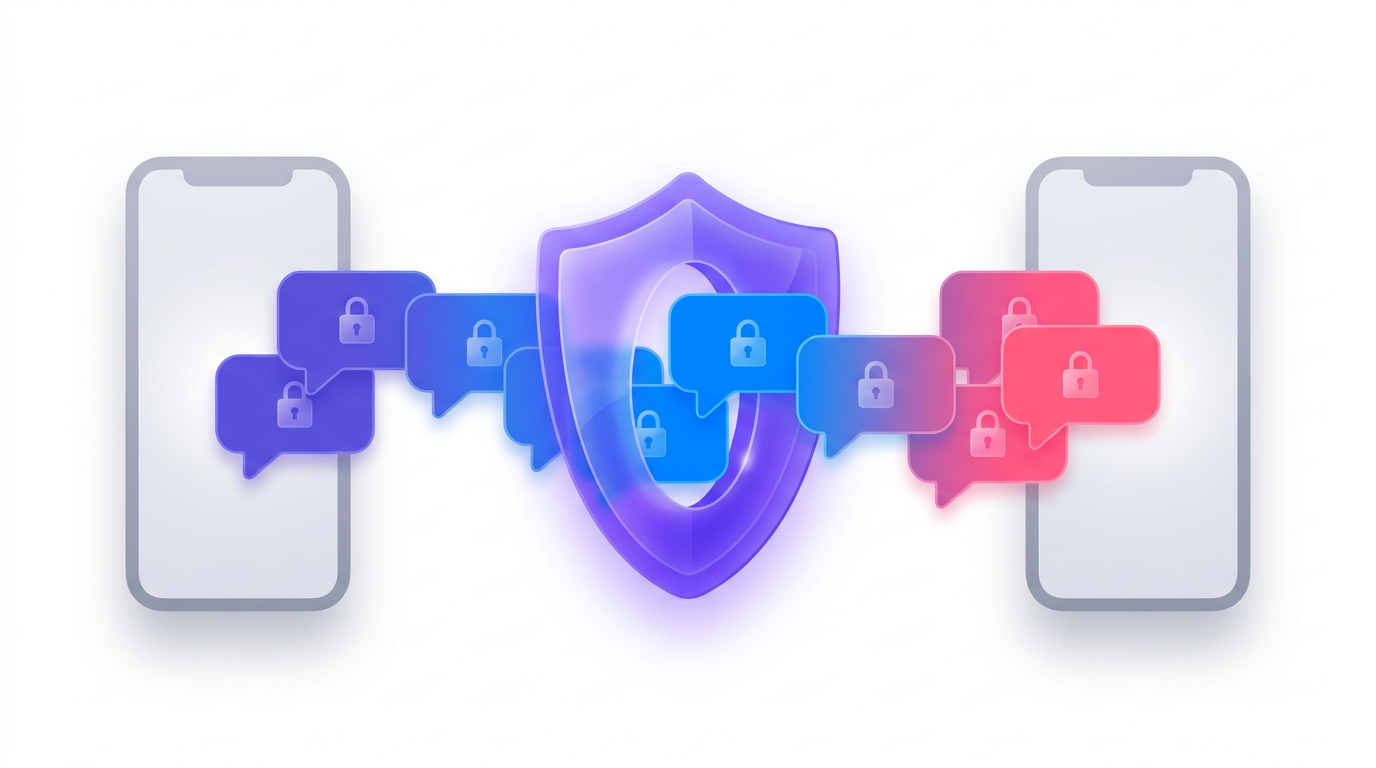
The core innovation in Labyrinth 1.1 is a new sub-protocol that changes how messages are stored in the encrypted backup. Previously, when a user sent a message, the encryption and storage process relied on the recipient's device being online to upload the encrypted message to the backup. If the recipient's phone was turned off or offline, the message would only be stored locally on the sender's device until the recipient came back online. With Labyrinth 1.1, the sender can place the encrypted message directly into the recipient's encrypted backup at the moment of sending—like dropping a sealed envelope into a locked box that only the recipient can open. This ensures that the message is safely stored in the backup immediately, regardless of the recipient's device status. As a result, messages survive device loss, device switches, and long gaps between sign-ins.
Technical Details: A New Sub-Protocol
Under the hood, Labyrinth 1.1 introduces a refined mechanism for key management and message wrapping. Each message is encapsulated with a unique message encryption key. The sender uses the recipient's public key (from the E2EE context) to encrypt the message and then sends the encrypted package to the backup server, tagged with the recipient's identifier. The server stores the encrypted blob but cannot decrypt it. When the recipient next connects to their backup, they retrieve and decrypt all stored messages using their private key. This sub-protocol is detailed in the updated white paper, “The Labyrinth Encrypted Message Storage Protocol”. Key design goals include minimal additional latency, forward secrecy, and zero knowledge for the server.
Real-World Impact and Rollout
Meta has begun rolling out Labyrinth 1.1 broadly to Messenger users. Early results show meaningful gains in backup reliability. More messages are successfully backed up in real time, and users who change devices are now able to restore their full message history, even if they haven't signed in for months. The update is seamless—users don't need to change any settings, and the security level remains the same: no one but the user and their conversation partners can read the messages. This improvement is a significant step toward making encrypted backups as dependable as unencrypted ones, without sacrificing privacy.
Conclusion and Further Reading
Labyrinth 1.1 represents a thoughtful evolution of Meta's encrypted backup infrastructure. By enabling message delivery directly into the encrypted backup at send-time, the protocol eliminates a key reliability gap. For those interested in the cryptographic details, Meta has published an updated white paper that explains the sub-protocol in depth. As digital communication continues to grow, innovations like Labyrinth 1.1 help ensure that security and convenience can go hand in hand. For more information, read the white paper section above or visit the Engineering at Meta blog.